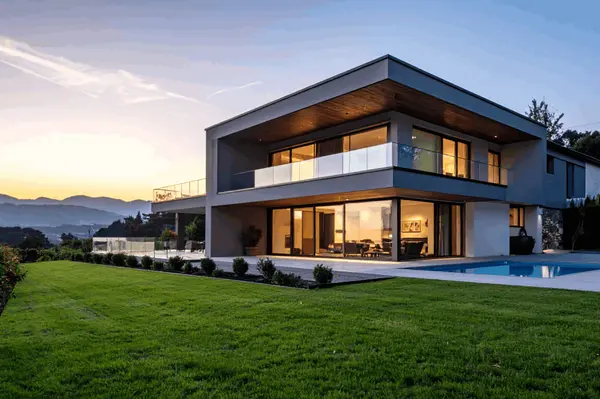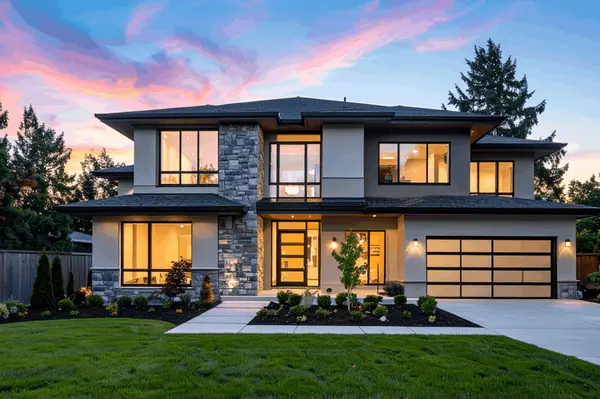
Drive up almost any road off Miller Avenue and the ground starts to climb. That's Mill Valley — a town built into the shoulder of Mount Tamalpais, where a surprising share of the housing stock sits on a slope rather than a flat lot. Hillside homes here have real appeal: privacy, trees, and in the right spot, a view that never gets old.
They also come with a specific set of questions that flat-lot buyers never have to ask. Here's what I walk clients through.
Access Is the First Thing to Check
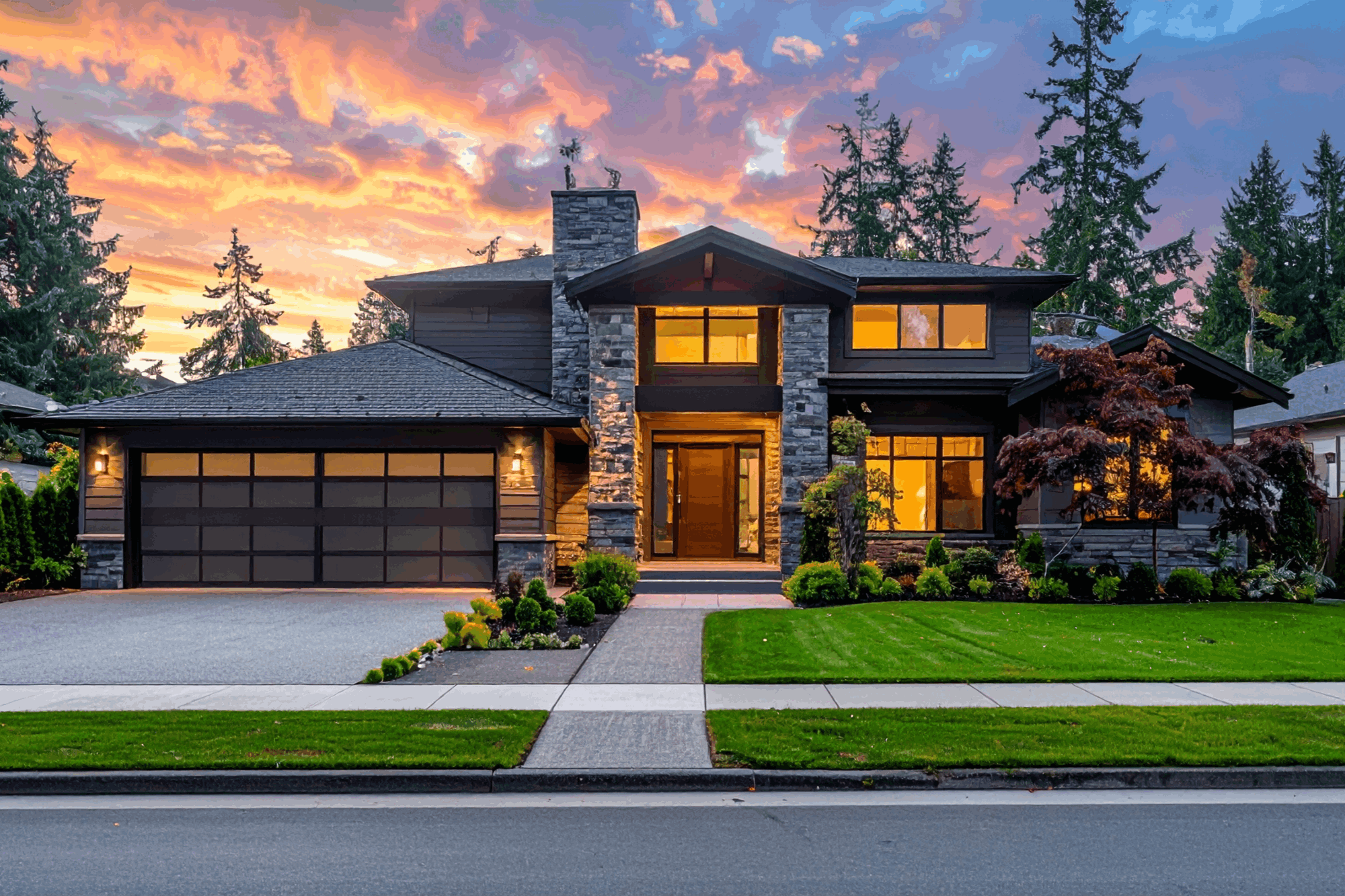
Before you fall for the view, look at how you get to the front door. Some hillside properties have a level driveway and a short walk. Others have thirty steps up from the street, or a driveway so steep that winter rain becomes a genuine consideration. Neither is a dealbreaker — but the difference shows up in resale value, in who your future buyer pool is, and in how you feel about hauling groceries on a Tuesday night.
Ask yourself honestly: is this a house you'll still want at seventy? Plenty of Mill Valley buyers say yes. Some realize the answer is no, and that's worth knowing before the inspection contingency runs out.
Views Aren't Permanent — Check What Protects Them
A view is worth real money in Marin. But views can be lost to a neighbor's remodel or a stand of trees that keeps growing. Mill Valley has ordinances that touch on this, and some properties carry view easements or deed restrictions that offer protection. Others don't.
Find out which situation you're buying into. It's a question with a real answer, and it's much easier to ask now than to litigate later.

Foundation and Drainage Deserve a Specialist
Homes on slopes deal with forces that flat-lot homes don't — soil movement, water running downhill, retaining walls doing quiet structural work for decades. A standard home inspection is a starting point, not the finish line. On a hillside property I usually recommend a structural engineer or a geotechnical review, depending on what the general inspector flags.
This isn't a reason to walk away. Most hillside homes in Mill Valley are perfectly sound. It's a reason to know exactly what you're buying, so the number you offer reflects reality.
Think About the Sun
Which way does the lot face? A north-facing slope tucked under tree cover stays cool and shaded — lovely in August, damp and dim in February. A south or west-facing hillside gets light all day and warmth into the evening. Neither is wrong. But it shapes daily life more than most buyers expect, and it's nearly impossible to change after closing.
The Bottom Line
Hillside homes are a big part of what makes Mill Valley what it is. They're also more complicated than they look from the curb. The buyers who do well here are the ones who ask the unglamorous questions early — about access, drainage, sun, and view protection — and then buy with confidence.
If you're weighing a hillside property in Mill Valley or anywhere in Marin County, I'm happy to walk it with you and tell you what I see. Get in touch and let's talk. You can also browse current Marin County listings to get a feel for what's out there.